Online Islamic Studies & Duas for Kids
Helping children of all ages build a strong Islamic foundation through essential Duas, Prophets' stories, and daily Adhkar in a fun, engaging environment.
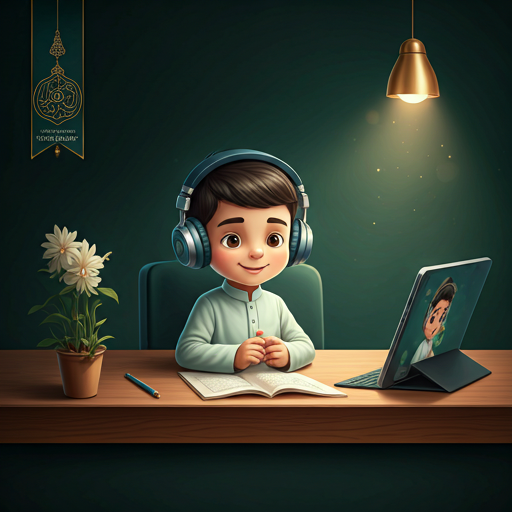
Who Is This Program For?
Early Learners (5-7)
Building the first blocks of faith through play-based storytelling and simple daily Duas.
Middle Years (8-12)
Exploring Prophets' stories, Seerah, and mastering the manners (Adab) of a Muslim.
Teens (13+)
Engaging discussions on identity, faith in the modern world, and advanced Islamic jurisprudence.
Islamic Studies Curriculum by Age Group
Every child is different, so each plan is adjusted to their pace. This is the framework our teachers follow for each age group.
Little Believers
Young children learn best through repetition, stories, and play. Lessons are short, visual, and built around sounds and habits rather than long explanations.
- Short Duas for eating, sleeping, entering the home, and saying thank you
- The basics of Wudu and a simple introduction to Salah, one position at a time
- Six to eight short stories of the Prophets, such as Nuh, Ibrahim, and Yusuf (peace be upon them)
- Core manners: saying Salam, sharing, honesty, and respecting parents
- Arabic letter recognition, ideally alongside our Noorani Qaida course
Growing in Knowledge
At this age children can understand reasons, not only routines. We deepen their practice and start connecting it to the life of the Prophet Muhammad (peace be upon him).
- Full Salah with correct recitation, movements, and the meaning of what is said
- Morning and evening Adhkar and the Duas after Salah
- A connected Seerah timeline, from the Prophet's birth to the Hijrah and beyond
- The five pillars of Islam and the six pillars of Iman, explained simply
- Akhlaq in daily life: truthfulness, patience, kindness to neighbors, and good online behavior
Faith with Confidence
Teenagers have real questions. Our teachers make space for them and answer from authentic sources, in a respectful one-to-one setting.
- Fiqh of worship: purification, Salah, fasting, Zakat, and Hajj in practical detail
- Seerah lessons focused on leadership, character, and decision-making
- Islamic identity at school and online, including peer pressure and modesty
- The meaning of the Quran's key themes, with Tajweed practice if needed
- Time management for Salah, study, and family responsibilities
Children who cannot yet read Arabic start with our online Noorani Qaida course and move on to the Quran reading course and Tajweed once they are ready.
What Your Child Will Learn
Essential Duas & Adhkar
Daily prayers for protection, gratitude, and remembrance (Dhikr) after Salah and before sleep.
Prophets' Stories
Interactive storytelling sessions bringing the lives of the Messengers and their lessons to life.

Islamic Values
Building character (Akhlaq), honesty, and kindness through real-world scenarios.
Daily Manners (Sunnah)
Learning the beautiful Sunnah of eating, sleeping, and interacting with parents and elders in a modern context.
What Your Child Learns Each Month
A typical first four months for a child attending two to three classes a week. Topics are repeated and revised, because children remember what they review often.
Month 1: Duas and Foundations
Wudu, the Duas of the day, and the shorter Adhkar. Children finish the month able to recite eight to ten Duas from memory and use them without being reminded.
Month 2: Salah
Each part of the prayer is taught slowly: standing, bowing, prostration, and the words recited. By the end, your child can pray a full Salah with confidence.
Month 3: Seerah and Prophets' Stories
Weekly storytelling from the lives of the Prophets and the early life of Muhammad (peace be upon him), with a lesson of character drawn from each story.
Month 4: Manners and Revision
Adab with parents, teachers, and friends, along with the Sunnah of eating and sleeping. The final weeks are revision and a short oral review for parents.
Sample 30-Minute Lesson Outline
Example: a lesson on the Dua before eating for a child aged 5-7.
- 0-5 min
Salam and review
The teacher greets the child, then asks them to recite last week's Dua.
- 5-15 min
New topic
A new Dua or story is introduced with slides and a clear Arabic recording, repeated line by line.
- 15-25 min
Practice and story
The child repeats the Dua, then hears a short story that shows when to use it in daily life.
- 25-30 min
Check and homework
A few quick questions, a short recap, and one small action for the week, such as saying the Dua before every meal.
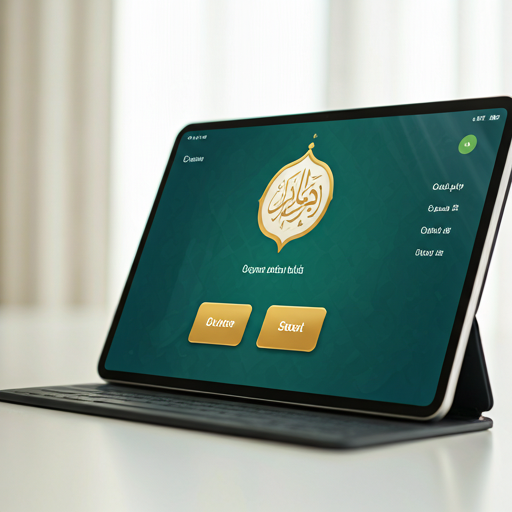

Engaging Learning Methods
One-to-One Storytelling
Personalized attention where teachers use vivid narratives to keep students engaged and curious.
Advanced Visual Aids
We use custom-made slides, animations, and virtual whiteboards to simplify complex concepts.
Memorization Support
Proven techniques to help children memorize Duas and daily Adhkar effortlessly and permanently.
Parent Corner
We believe in a partnership between the academy and parents to nurture the child's soul.
Progress Tracking
Weekly detailed reports on memorization and behavioral learning milestones.
Teacher Feedback
Monthly parent-teacher meetings to discuss your child's spiritual growth.
Frequently Asked Questions
What is the minimum age for enrollment?
We accept children from age 5. For younger children, we offer a specialized "Junior Faith" track focusing on sounds and visuals.
How many classes per week are recommended?
For effective learning and retention, we recommend 2-3 sessions of 30 minutes each (extendable up to 60 minutes on request).
Are the teachers qualified?
Absolutely. All our teachers are certified graduates of Islamic Universities with specific training in child psychology and digital pedagogy.
Does my child need to read Arabic before starting?
No. Duas, stories, and manners are taught orally with transliteration and audio. If your child wants to read Arabic, we recommend adding Noorani Qaida lessons so they can read the Duas themselves.
Can I choose a male or female teacher?
Yes. Parents can choose a male or female teacher, and girls can be paired with a female teacher on request.
How do I know my child is making progress?
You receive weekly progress notes on what was memorized and practiced, plus a monthly conversation with the teacher about your child's growth.
Can Islamic studies be combined with Quran reading?
Yes. Many families combine Islamic studies with Quran reading and Tajweed classes. We can build a schedule that fits both and keeps lessons short enough for a child's attention span.
Is there a free trial?
Yes. You can book a 3-day free trial with no payment or credit card. It is the easiest way to see whether your child enjoys the teacher and the style of the class.
Start Your Child's Journey Today
Gift your child the knowledge that will guide them for a lifetime. Register for a free trial class and see the difference.
- Classes in your time zone, 24/7
- Clear refund policy
No credit card required. Cancel anytime, no notice needed.